In short
Ganesh Chaturthi falls on Monday, September 14, 2026, with Sthapana Muhurat from 11:02 AM to 1:31 PM IST. Avoid sighting the Moon between 9:01 AM and 8:09 PM or you invite Mithya Dosha. This is also the last Ganesh Chaturthi of the Leo-Ketu cycle before the nodes shift on December 5 - which makes the Ketu remedies performed now unusually well-timed.
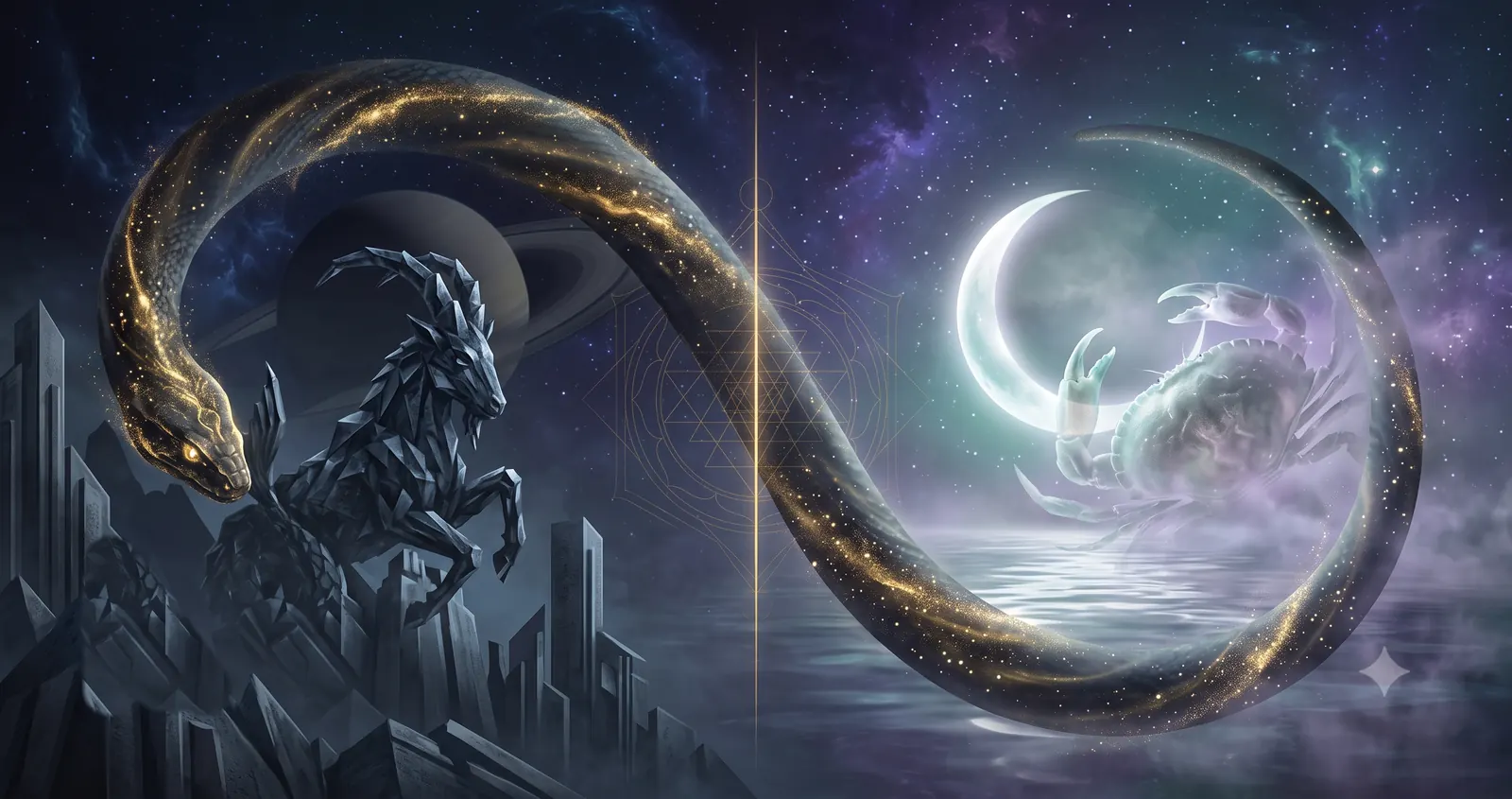
Ganesh Chaturthi 2026 falls on Monday, September 14, and most guides will give you the muhurat and stop there. There is a more useful astrological point to make this year. In Jyotish, Ganesha is the presiding deity of Ketu - the south lunar node that governs past-life karma, sudden reversals, detachment and the kind of obstruction that has no visible cause. Ketu has been transiting Leo since May 2025 and leaves it on December 5, 2026, when the nodal axis shifts to Capricorn-Cancer. That makes this the final Ganesh Chaturthi of the current Ketu cycle, and it lands squarely in the closing stretch when Ketu remedies carry the most weight. This guide gives the exact Sthapana Muhurat and Chaturthi tithi timings, explains the Moon-sighting prohibition and the Mithya Dosha behind it, lists every Visarjan option from one-and-a-half days to Anant Chaturdashi, and sets out the Ketu remedies that are genuinely worth performing in the window that remains.
When Is Ganesh Chaturthi 2026 and What Is the Sthapana Muhurat?
Ganesh Chaturthi 2026 is on Monday, September 14. The Chaturthi tithi of Bhadrapada Shukla Paksha begins at approximately 7:06 AM on September 14 and ends at approximately 7:44 AM on September 15, so the tithi covers the whole of the 14th - there is no two-day split to resolve this year.
Ganpati Sthapana, the installation of the idol, is performed during Madhyahna Kaal - the midday division of the day, which is the period classically sacred to Ganesha's birth. For 2026 that window runs from approximately 11:02 AM to 1:31 PM IST, giving you roughly two and a half hours. City-level sunrise differences shift this by ten to twenty minutes, so confirm against your local Panchang before fixing the exact minute.
- DateMonday, September 14, 2026
- Chaturthi tithi beginsapproximately 7:06 AM IST on September 14
- Chaturthi tithi endsapproximately 7:44 AM IST on September 15
- Sthapana Muhurat (Madhyahna Kaal)approximately 11:02 AM to 1:31 PM IST
- Moon-sighting prohibitedapproximately 9:01 AM to 8:09 PM IST
- Anant Chaturdashi / main VisarjanFriday, September 25, 2026
Why You Must Not Look at the Moon on Ganesh Chaturthi
This is the single most searched question about the festival, and the answer is specific rather than vague superstition. On Bhadrapada Shukla Chaturthi the Moon is considered to carry a curse pronounced by Ganesha himself, and sighting it during the prohibited window is said to attract Mithya Dosha - also called Mithya Kalank - meaning false accusation, unearned blame or damage to reputation that you did not deserve.
The story behind it is worth knowing because it explains the timing. Returning home on his mouse after a feast of modaks, Ganesha stumbled and fell. Chandra, the Moon god, watching from above, laughed at him. Ganesha cursed the Moon: whoever looks upon you on this tithi will be falsely accused and will carry disgrace they did not earn. The prohibition is therefore tied to this specific tithi in this specific month, not to the Moon generally.
For 2026 the avoidance window runs from approximately 9:01 AM to 8:09 PM IST on September 14. Note that it begins in the morning, not at moonrise - a detail most people get wrong and which catches out anyone who assumes daylight makes the rule inapplicable.
The rule is not that the Moon is dangerous. It is that on this one tithi, looking up invites a blame you did not earn - and the remedy for that is a story, not a ritual.
What to Do If You Accidentally See the Moon
Accidental sighting is common and the tradition provides a direct remedy rather than leaving you with the problem. The prescribed correction is to hear or recite the Syamantaka Mani katha from the tenth book of the Bhagavata Purana - the account of Krishna himself being falsely accused of stealing the Syamantaka jewel, and of his name being cleared.
The logic is precise: the dosha is false accusation, and the remedy is the story of the most famous false accusation in the tradition being resolved. Reciting or listening to it is held to neutralise the effect entirely, which is why no elaborate expiation is prescribed.
- Primary remedyrecite or listen to the Syamantaka Mani katha (Bhagavata Purana, Book 10)
- Simple verse alternativerecite the Sinhah Prasenam Avadhit shloka, the condensed form of the same story
- Thenoffer Durva grass and modak to Ganesha and continue the day's worship normally
- Do nottreat an accidental sighting as requiring fasting, penance or a paid ritual - the tradition does not ask for it
Ganesha, Ketu and Why 2026 Is Different
In Jyotish, every graha has a presiding deity, and Ganesha is the deity of Ketu. This is not a loose association - it is the basis of the standard remedial prescription for an afflicted Ketu, and it is why Chaturthi tithi is the day on which Ketu sadhana is traditionally performed.
Ketu governs the part of life where effort produces no visible result: sudden blockages without cause, detachment that arrives uninvited, confusion in matters that should be simple, and karma carried forward rather than created in this life. Its constructive face is equally strong - intuition, spiritual insight, the ability to see past surfaces, and the capacity to let go of what is holding you down. Ganesha is invoked precisely because he is Vighnaharta, the remover of obstacles, which is the same function in devotional language.
What makes 2026 specific is timing. Ketu has occupied Leo since May 2025, and on December 5, 2026 it moves into Cancer as the nodal axis shifts to Capricorn-Cancer for the next eighteen months. Ganesh Chaturthi on September 14 is therefore the last one of this Ketu cycle, falling in its closing phase - the stretch in which remedies aimed at settling a planet's unfinished business are conventionally considered most effective.
- Ganesha's grahaKetu, the south lunar node
- Ketu's difficult signatureunexplained delay, false starts, detachment, loss without cause
- Ketu's constructive signatureintuition, spiritual depth, discrimination, release of attachment
- Current transitKetu in Leo since May 2025, moving to Cancer on December 5, 2026
- Why it matters nowthis is the final Ganesh Chaturthi of the Leo-Ketu cycle
- Most affectedanyone running a Ketu Mahadasha or Antardasha, and Leo and Aquarius natives carrying the axis directly
Ganesh Visarjan 2026: Every Immersion Day Explained
Ganeshotsav does not require a ten-day observance. Families choose a duration according to tradition, household capacity and regional custom, and all of the following are valid. The idol is immersed on the chosen day after the final aarti and a formal farewell.
The main public Visarjan falls on Anant Chaturdashi, Friday, September 25, 2026, when the large mandal idols are taken in procession. A small number of Panchangs place Anant Chaturdashi on September 23 depending on how the Chaturdashi tithi is reckoned locally, so confirm with your own mandal or local Panchang if you are planning the ten-day observance.
- Dedh din (1.5 days)Tuesday, September 15, 2026
- Teen din (3 days)Wednesday, September 16, 2026
- Paanch din (5 days)Friday, September 18, 2026
- Saat din (7 days)Sunday, September 20, 2026
- Anant Chaturdashi (10 days, main Visarjan)Friday, September 25, 2026
- Immediately afterPitru Paksha begins Saturday, September 26, 2026 - the shift from celebration to ancestral observance is abrupt this year
Puja Vidhi: How the Ten Days Are Observed
The structure is consistent whether you keep the idol for one and a half days or ten. Sthapana on day one, daily worship through the middle days, and a formal farewell at Visarjan. What follows is the standard household sequence.
- Sthapanainstall the idol during Madhyahna Kaal facing east or north-east, on a clean raised platform with a fresh cloth
- Pranapratishthainvoke the deity into the idol with the prescribed mantras before beginning worship
- Shodashopacharathe sixteen-step offering - bathing, clothing, sandalwood, flowers, incense, lamp and food
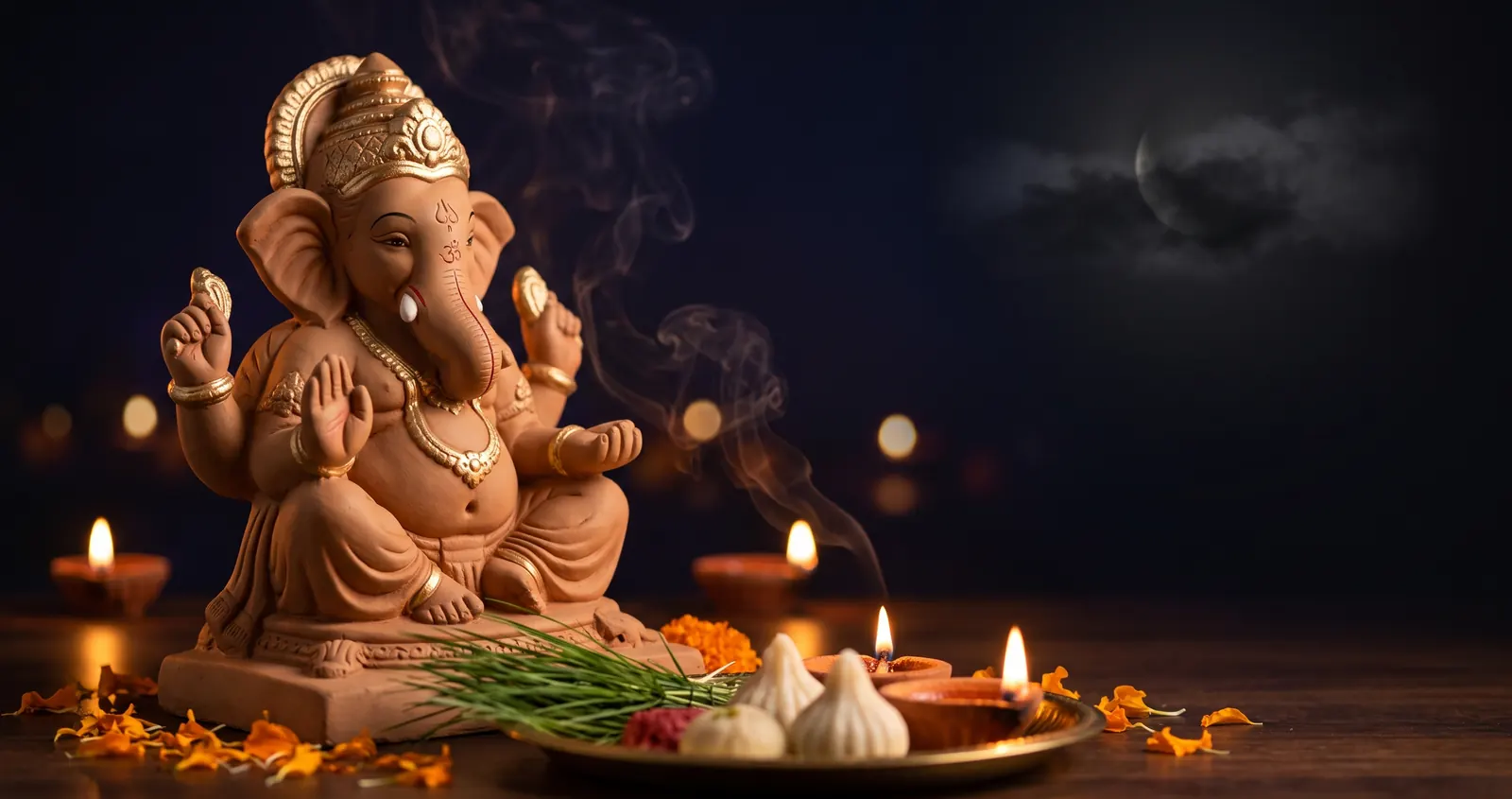
- Durva grassoffer 21 blades, the offering most specifically associated with Ganesha and with Ketu pacification
- Modakoffer 21 modaks where possible; the modak is his named favourite and the reason for the Moon episode
- Dailymorning and evening aarti with the Sukhkarta Dukhharta aarti, and recitation of the Sankatanashana Ganesha Stotra
- Visarjanfinal aarti, apologise formally for any error in the worship, then immerse - increasingly in a home bucket or artificial tank rather than a natural water body
Ketu Remedies Worth Performing This Ganesh Chaturthi
These are the classical prescriptions for pacifying Ketu through Ganesha worship. They are most relevant if you are running a Ketu period, if Ketu sits in an angle or trine in your chart, or if the Leo-Aquarius axis is prominent for you - but the festival worship itself is appropriate for anyone.
- Sankatanashana Ganesha Stotrathe stotra named for the destruction of difficulty, recited on Chaturthi tithi; the single most standard Ketu remedy
- Ganesha Beej Mantra'Om Gam Ganapataye Namah', 108 times, ideally during the Sthapana Muhurat itself
- Ketu Beej Mantra'Om Shram Shreem Shroum Sah Ketave Namah', 108 times on Tuesday for those with Ketu prominent in the chart
- Durva offering21 blades of Durva grass, which is prescribed specifically for Ketu among all offerings
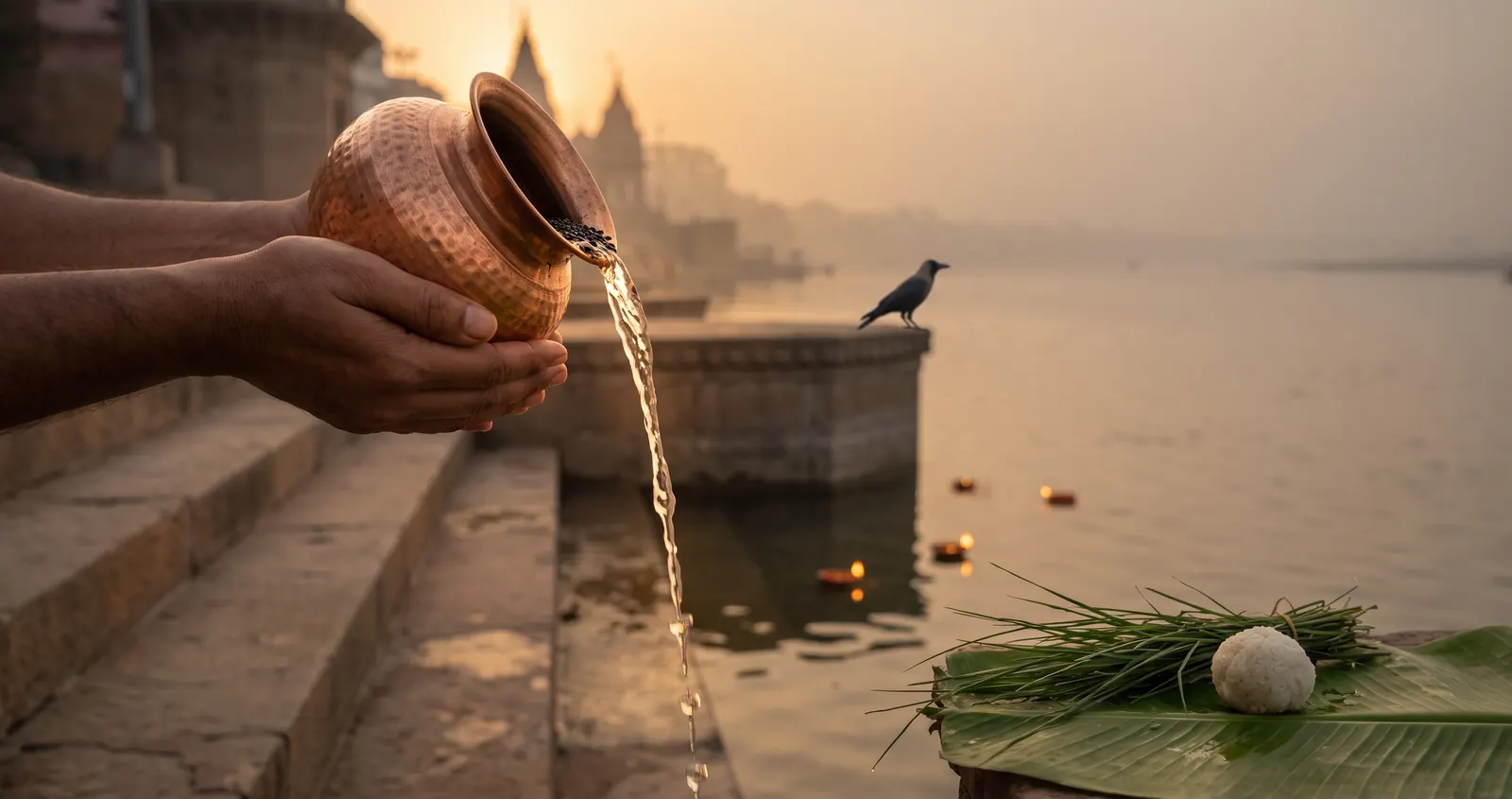
- Charity for Ketudonate sesame, blankets, or a multi-coloured cloth; feed dogs, which are the animal associated with Ketu
- Temple visit on Chaturthithe tithi itself is considered to amplify the result of Ganesha sadhana
- Complete an unfinished matterKetu governs what is left hanging. Closing one long-pending obligation during Ganeshotsav is, in practice, the most aligned remedy of all
The takeaway
Ganesh Chaturthi 2026 arrives on Monday, September 14, with Sthapana Muhurat from approximately 11:02 AM to 1:31 PM and the Moon to be avoided from 9:01 AM until 8:09 PM. Beyond the calendar, the timing carries a genuine astrological weight this year: Ganesha is Ketu's deity, and this is the last Ganesh Chaturthi before Ketu leaves Leo on December 5, 2026. If you have spent this cycle dealing with obstruction that had no obvious cause, delay you could not explain, or a detachment that arrived without being chosen, the remedies performed now land in the closing window of the period that produced them. To understand exactly where Ketu sits in your own chart, whether you are running its Dasha, and which remedies apply specifically to you rather than generally, book a 1-on-1 video consultation with Astrologer Sheela Goklani.